
Twin Mattress Under $100: Size, Support and Value Checks
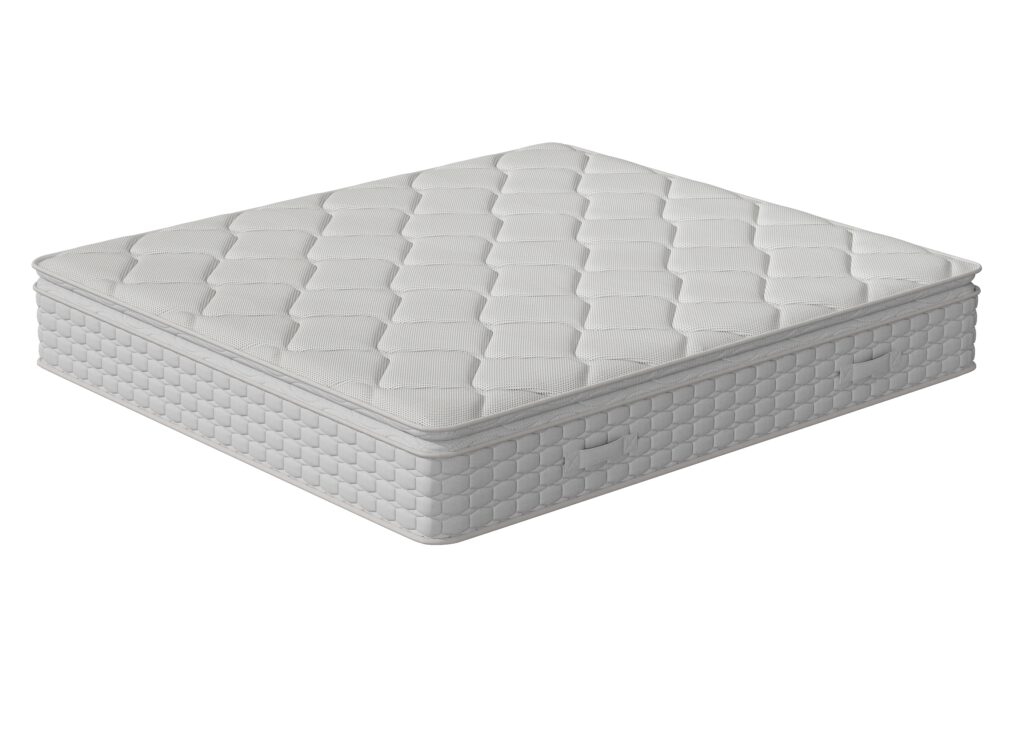
What Are Standard Twin Mattress Dimensions?
A standard twin mattress measures 38 inches wide by 75 inches long. That’s the baseline size across most U.S. manufacturers, though practical tolerances can cause slight differences. For reference, a twin XL is 38″ x 80″, adding 5 inches in length. Thickness varies widely—from 5-inch low-profile bunk bed mattresses to 12-inch pillow-top models. The under $100 range typically falls in the thinner or basic foam/innerspring categories, so thickness will often be between 5 and 8 inches, but some memory foam options may reach 10 inches if on sale. For buyers comparing simple foam structures, roll-pack supply, or private-label budget models, our GY-MF1800-ECO Memory Foam Mattress is a useful product reference for understanding how an economy foam mattress can be positioned for wholesale and OEM programmes.
| Type | Width (in) | Length (in) | Typical Thickness (in) |
|---|---|---|---|
| Standard Twin | 38 | 75 | 5–8 (budget), up to 12+ |
| Twin XL | 38 | 80 | 8–12 |
| Custom Twin Short | 38 | 72 | Variable |
| RV Twin | 28–38 | 75–80 | Often 5–8 |
Will a Twin Mattress Fit Your Bed Frame?
Most bed frames designed for a twin mattress are built to accept a 38″ x 75″ mattress. But not all. Here’s a quick compatibility check:
- Standard twin metal frame with or without headboard: Yes, if it’s not an adjustable frame intended for longer sizes.
- Bunk bed: Usually requires a low-profile mattress, under 6–8 inches thick, to maintain guardrail safety. Check the bunk bed manual.
- Platform bed: Works if the platform surface is 38″ x 75″. Some platform beds have lips that require exact fit.
- Bed frame with box spring: If using a box spring, the mattress sits on top, so thickness adds total height. Ensure total height doesn’t block windows, cover outlets, or exceed headboard limits.
- Daybed: Often uses twin size, but some require exact dimensions due to trundle clearance.
- Adjustable base: Twin XL is more common; a standard twin might be too short if the base extends.
Under $100 mattresses are sometimes all-foam and can slump if not fully supported by slats or a solid surface. Check the frame’s slat spacing: typically, slats should be no more than 3 inches apart for foam mattresses.
Production Tolerances and Size Variations
Budget mattresses can have looser quality control. A “twin mattress” might actually measure 37″ x 74″ or 39″ x 76″. A half-inch variance is typically acceptable, but anything over an inch can cause gaps between the mattress and bed frame, potentially harming the mattress edge or becoming a safety issue.
Thickness can also be mislabeled: a 6-inch mattress might actually be 5.5 inches. When shopping under $100, check user reviews for real-world measurements. If you’re pairing the mattress with fitted sheets or a specific frame, these small deviations matter.
Thickness and Room Fit Considerations
Mattress thickness affects more than comfort—it impacts how the bed looks in the room, how easy it is to get in and out, and whether it works with existing bedding.
- Low-profile (5–7″): Good for bunk beds, trundles, low bed frames, and kids’ rooms. Less strain on the back when making the bed.
- Medium (8–10″): Standard for most guest rooms, but check that sheets (especially deep-pocket ones) still fit.
- Thick (12″+): Rare at under $100, but if found, consider total height from floor to top of mattress—too high can be awkward.
In small rooms, a slimmer mattress can make the bed look less bulky. Also, consider the total height: bed frame + box spring (if used) + mattress thickness. A 6″ mattress on a 7″ box spring on a 7″ frame gives a 20″ sleeping height, which might be low for elderly users. Conversely, too high might be awkward. For customers who want a thicker, more supportive construction for retail, hotel, or upgraded private-label programmes, the GY-HY3400-LUX Hybrid Mattress can be used as a product example for comparing height, spring support, edge reinforcement, and premium mattress positioning.
Custom Twin Mattress Notes
If a standard twin doesn’t fit your space—an RV with an odd cutout, a built-in nook, or a vintage bed frame—you might need custom sizing. Common custom requests include:
- Non-standard length (e.g., 72″ or 74″ for tight spaces)
- Reduced width (e.g., 30″ for narrow spaces)
- Specific thickness to match drawers or safety rails
- Corner cuts for RVs
Custom mattresses under $100 are challenging, as most budget options are mass-produced. However, some local upholsterers or foam shops might cut simple foam mattresses to size. When customizing, specify exact width, length, and desired thickness, and confirm the foam density if you want it to be supportive. Always ask about compression, off-gassing, and fire safety compliance.
Common Mistakes When Buying a Budget Twin Mattress
Here’s a checklist to avoid headaches:
- Not measuring the bed frame opening (inside dimensions, not outside).
- Forgetting to check mattress thickness against bunk bed safety rails.
- Assuming all twin mattresses are exactly 38×75.
- Ignoring slat spacing requirements for foam mattresses.
- Choosing a mattress too thick for fitted sheets with shallow pockets.
- Overlooking the total height if using a box spring.
- Not verifying return policy for size defects.
- Buying for a temporary use without considering durability.
Twin Mattress Under $100: What to Expect
A twin mattress under $100 will likely be a basic foam or innerspring model. It may have minimal edge support, be relatively thin, and have a shorter lifespan than premium options. However, for guest rooms, temporary sleeping arrangements, or kids who will outgrow a bed quickly, it can be a practical choice if you handle the fit correctly. Focus on getting the dimensions right first.
References
Related Guides in This Category
- Best Queen Mattress Under 500: Size, Support and Value Checks
- Best Twin Mattress for Adults: Size, Support and Value Checks
- Affordable Twin Mattress: Size, Support and Value Checks
- Best Infant Crib Mattress: Size, Support and Value Checks