
King Size Air Mattress Guide: Dimensions, Fit and Custom Build Notes
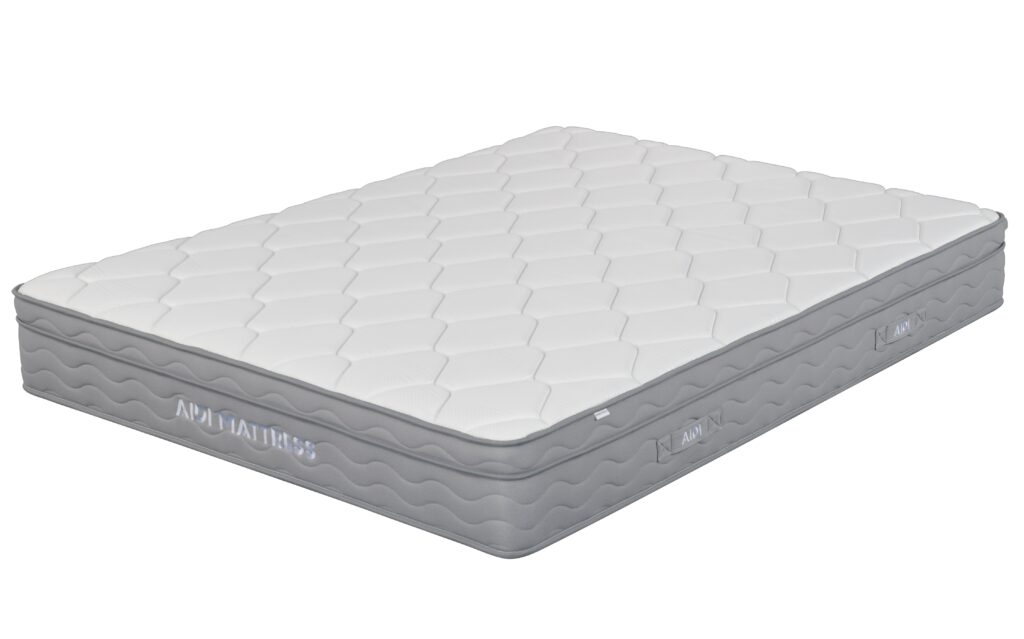
Standard King Size Air Mattress Dimensions
A typical king size air mattress measures 76 inches wide by 80 inches long (193 cm × 203 cm). This matches the dimensions of a standard king-size mattress and bed frame. However, thickness—often called profile or height—can vary from about 8 inches up to 20 inches or more, depending on the model and intended use.
The table below compares common air mattress sizes to give you a quick reference for size and typical use cases.
| Size | Width (inches) | Length (inches) | Typical Use |
|---|---|---|---|
| Twin | 38 | 74 | Single sleeper, kids, camping |
| Full | 54 | 74 | Single adult, guest room |
| Queen | 60 | 80 | Couples, master bedroom alternative |
| King | 76 | 80 | Couples, spacious master bedroom |
Remember that these are nominal dimensions. Inflated thickness and slight manufacturing variations can affect the final footprint. Always measure your space before buying.
Thickness and Profile Considerations
The height of a king size air mattress impacts comfort, accessibility, and how well it works with existing bed frames. Low-profile models (8–10 inches) are easier to pack away and may fit better in tents or temporary setups. Mid-profile (12–16 inches) balances comfort and stability. High-profile (18–20+ inches) mimics a traditional mattress height, making it easier to get in and out of, but can feel bulkier and require deeper fitted sheets.
- Low profile: Good for portability and tight spaces; may feel too close to the floor for some users.
- Mid profile: Most common for guest rooms; works with standard bed frames and bedding.
- High profile: Preferred for everyday use; check frame side rails to avoid too much overhang.
Consider who will use the mattress. Older adults or those with mobility issues often appreciate a taller air bed, while a shorter mattress may be fine for occasional guests.
Room Space and Bed Frame Compatibility
Even a standard king air mattress needs adequate floor space—not just for the mattress itself, but for movement around the bed. A minimum room size of 12 feet by 12 feet is recommended to allow walkways and furniture.
When placing a king air mattress on a bed frame, platform bed, or box spring, check these points:
- Inner frame dimensions: Some frames are designed for a tight fit with a standard innerspring mattress. An air mattress may expand slightly when inflated, so it needs a few extra inches of clearance inside the rails to avoid pressure points that could cause leaks.
- Side rail height: If the frame has tall side rails, a high-profile air mattress may sit too high, making it unstable. Conversely, a low-profile mattress may leave a large gap between the mattress top and the rail, which can be uncomfortable.
- Weight capacity: Ensure the frame or platform can support the combined weight of the mattress, occupants, and any bedding. A king air mattress and two adults can easily exceed 500 pounds.
Custom King Air Mattress Orders: What to Know
Sometimes a standard 76×80-inch air mattress does not fit—for example, in an RV with a unique bed platform, an antique bed frame with non-standard dimensions, or a recessed floor area that requires a specific width-to-length ratio. In these cases, a custom-built air mattress may be the solution.
Before ordering a custom king air mattress, you should:
- Measure the exact sleeping surface length and width to the nearest half-inch. Account for any tapering or rounded corners.
- Decide on a thickness that works with the surrounding structure. In a tight alcove, a low-profile mattress may be required to leave headroom or allow bedding to tuck in.
- Specify valve placement if clearance is limited. Some custom manufacturers let you choose where the inflation valve sits.
- Ask about material and seam construction. Thicker vinyl or reinforced seams add durability, but the mattress may be heavier and less flexible.
- Confirm production tolerances. Skilled fabricators will quote a tolerance (often ±1/2 inch). Knowing this helps you avoid a mattress that is slightly too large or small.
Custom orders typically have longer lead times and may not be returnable, so double-check all measurements and ask for a written spec sheet before production begins.
Production Tolerance and Real-World Fit
Even standard king air mattresses can vary in size. Production tolerance is the acceptable amount by which the final product can deviate from the design specification. For inflatable products, a tolerance of ±1 inch in width and length is common. Thickness can vary more because inflation pressure and material stretch affect the final height.
Practical steps for a good fit:
- Inflate the mattress indoors at room temperature for 24 hours before measuring or using. This allows the material to relax to its natural shape.
- Measure the mattress when fully inflated and compare to your frame or platform. If it’s too long by a small amount, check whether the mattress can be slightly underinflated to shorten it (not recommended for regular use, as underinflation reduces support).
- If the mattress consistently rubs against hard edges, add a thin protective layer like a mattress pad or a strip of upholstery foam to reduce friction.
Common Mistakes to Avoid
Many fit problems come from overlooking small but critical details. Here is a checklist of common missteps when buying a king size air mattress:
- Skipping the frame measurement: Not all king frames are the same inside. Measure the internal width and length, not just the outer size.
- Ignoring thickness in relation to side rails: A mattress that sits too high or too low inside a frame can slip or create a pinch hazard.
- Assuming all king sheets fit: King sheets are designed for standard 76×80-inch mattresses, but deep-pocket sheets are needed for high-profile air mattresses. Check pocket depth before buying.
- Forgetting temperature effects: Air mattresses can feel firmer in cold weather because the air inside contracts slightly. In a chilly room, you may need to add a little more air after the mattress has cooled down.
- Not testing stability on the intended floor: A high-profile air mattress on a slippery hardwood floor may shift. Use a non-slip rug pad or place the mattress on a carpeted area if possible.
- Overlooking repair and warranty: Punctures happen. Know whether the mattress comes with a patch kit and understand the warranty terms, especially for custom builds that may be harder to replace.
By checking these points before you order, you can avoid the hassle of returns and ensure the mattress actually fits your room, frame, and sleeping needs.
References
Related Guides in This Category
- RV Bunk Mattress Guide: Dimensions, Fit and Custom Build Notes
- Newton Baby Mattress: Custom Fit, Comfort and Ordering Considerations
- King Mattress in a Box Guide: Dimensions, Fit and Custom Build Notes
- Children's Full Size Mattress Guide: Dimensions, Fit and Custom Build Notes
- Affordable Full Size Mattress Guide: Dimensions, Fit and Custom Build Notes
- Mattress Box Full Guide: Dimensions, Fit and Custom Build Notes
- RV Mattress Guide: Dimensions, Fit and Custom Build Notes
- Small Single Mattress Guide: Dimensions, Fit and Custom Build Notes
- Baby Crib Mattress Guide: Dimensions, Fit and Custom Build Notes
- Custom Mattress: Custom Fit, Comfort and Ordering Considerations