
Gel Flex Grid Mattress: Cooling Features, Materials and Hot-Sleeper Fit
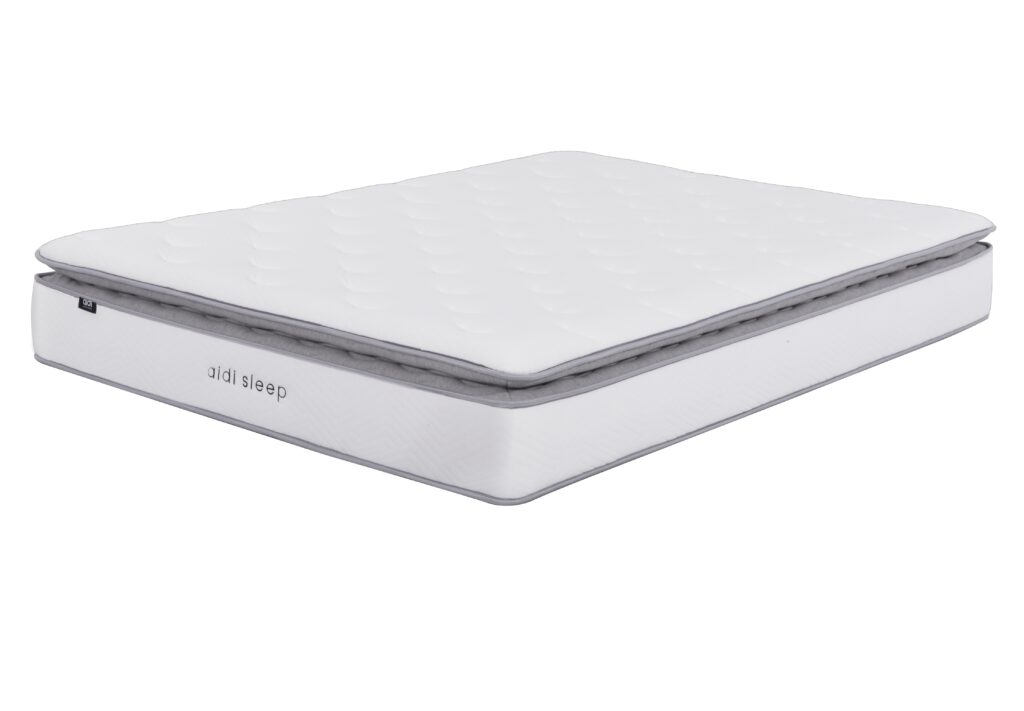
How a Gel Flex Grid Mattress Is Built for Cooling
The core feature of a gel flex grid mattress is a polymer grid infused with cooling gel. This grid is shaped into a flexible, wall-like structure with thousands of open channels. Unlike solid memory foam, this design allows air to move freely through the mattress. The gel material helps conduct heat away from your body, pulling warmth into the grid and dispersing it rather than trapping it. Some models use vertical columns that compress under weight while still leaving space for airflow. The grid layer typically sits on top of a firmer support core, which gives the mattress its overall stability.
How Airflow Works in a Gel Flex Grid
Airflow is the primary cooling mechanism. The open-grid design creates pathways for air to circulate as you change positions during the night. This constant exchange helps evaporate moisture and reduces heat buildup. When you press down, the grid walls compress and push air out; when you shift, fresh air gets drawn back in. This pumping action is what many brands market as “breathability.” However, airflow can be blocked if the mattress is placed on a solid, non-ventilated platform, or if the cover is too thick or non-breathable. Even a waterproof mattress protector can suffocate the grid and cancel its cooling benefit.
Cover Materials and Their Role in Cooling
The cover on a gel flex grid mattress is just as important as the grid itself. Manufacturers often use advanced materials to enhance cooling, including:
- Phase-change materials (PCM) that absorb, store, and release heat to regulate surface temperature.
- Moisture-wicking fabrics like Tencel, bamboo, or cotton that pull sweat away from the skin.
- Perforated or knit covers that allow air to pass through easily.
A dense, padded, or waterproof cover can trap heat and moisture, working against the grid’s cooling design. To maintain performance, the cover should be removable and washable, because accumulated dust, oils, and dead skin cells can clog the fabric and reduce breathability over time.
Heat Retention Risks: When the Grid Stops Working
Even with a well-designed gel flex grid, heat retention can occur under certain conditions:
- High room temperature and humidity: Gel can only dissipate heat if there is a temperature gradient. In a hot bedroom, the cooling effect diminishes.
- Dirty or clogged grid: Dust, skin cells, and body oils can settle inside the grid channels, blocking airflow.
- Non-breathable mattress protector: A thick, waterproof protector acts as a thermal barrier.
- Dense support layers: If the base layer beneath the grid is made from heat-trapping memory foam or high-density polyfoam, it can still hold warmth.
- Heavy bedding: Thick comforters or mattress pads can insulate the bed and override the grid’s breathability.
Who Is a Gel Flex Grid Mattress Really For?
This type of mattress suits hot sleepers who prefer a responsive, slightly bouncy feel rather than a deep sink. It tends to work well for:
- Combination sleepers who move during the night, because the grid offers easy repositioning.
- Average-weight sleepers (130–230 pounds), as they compress the grid enough to feel support without collapsing the airflow channels.
- Back and stomach sleepers who need a supportive surface that doesn’t trap too much heat.
It may not be ideal for:
- Very lightweight side sleepers who may not compress the grid enough to get proper pressure relief at the shoulders and hips.
- Heavy sleepers (over 230 pounds) who can bottom out the grid and lose both cooling and support.
- People with extreme night sweats or medical hot flashes who may need active cooling solutions beyond what a passive gel grid can provide.
Comparing Cooling Claims Against Real Sleep Use Cases
| Marketing Claim | Real-World Outcome |
|---|---|
| “Gel-infused for instant cooling” | Cooling is gradual; gel doesn’t stay cold all night but helps regulate temperature. |
| “Breathable open-cell design” | Works only if the cover and base are equally breathable; often blocked by non-breathable protectors. |
| “Keeps you cool all night” | Cooling effect fades if room temperature rises above 75°F or humidity is high. |
| “Perfect for all hot sleepers” | Not ideal for sleepers with severe overheating due to medical conditions; may need active cooling. |
| “Eliminates heat retention” | Reduces, but does not eliminate; support layers and sleep environment still play a major role. |
Alternatives When a Gel Flex Grid Isn’t Enough
If you find that a gel flex grid mattress alone does not solve your overheating, consider these options:
- Active cooling mattress pads: Use water or air circulation to pull heat away from the body.
- Hybrid mattresses with pocketed coils: Coils create larger air channels than foam, improving overall breathability when combined with a gel-infused comfort layer.
- Natural latex mattresses: Latex is inherently more breathable and cooler than memory foam, though it lacks the distinct grid feel.
- Breathable mattress toppers: A thin topper made from cooling fibers can add a layer of airflow without changing the entire mattress.
- Bedroom climate control: Use a fan, air conditioning, or cooling pillow to reduce overall sleep temperature.
Final Takeaway
A gel flex grid mattress can be an effective cooling solution for many hot sleepers, but it is not a magic fix. Its performance depends on the grid design, cover breathability, support layer composition, and your sleep environment. Before choosing, consider your sleeping position, body weight, and typical nighttime temperature. Pair it with breathable bedding and keep the bedroom cool to get the most out of its cooling potential.
References
Related Guides in This Category
- Cool Gel Mattress: Cooling Features, Materials and Hot-Sleeper Fit
- Cool Mattress: Cooling Features, Materials and Hot-Sleeper Fit
- Cooling Gel Mattress: Cooling Features, Materials and Hot-Sleeper Fit
- Bamboo Mattress: Cooling Features, Materials and Hot-Sleeper Fit
- Breathable Crib Mattress: Cooling Features, Materials and Hot-Sleeper Fit
- Gel Mattress: Cooling Features, Materials and Hot-Sleeper Fit
- How to Evaluate Best Mattress for Hot Sleepers Without Relying on Generic Rankings
- Mattress Cooling Pad: Cooling Features, Materials and Hot-Sleeper Fit
- Breathable Mattress: Cooling Features, Materials and Hot-Sleeper Fit
- Cooling Mattress: Cooling Features, Materials and Hot-Sleeper Fit