
Full Mattress: Space Planning, Frame Match and Comfort Notes
What Is a Full Mattress?
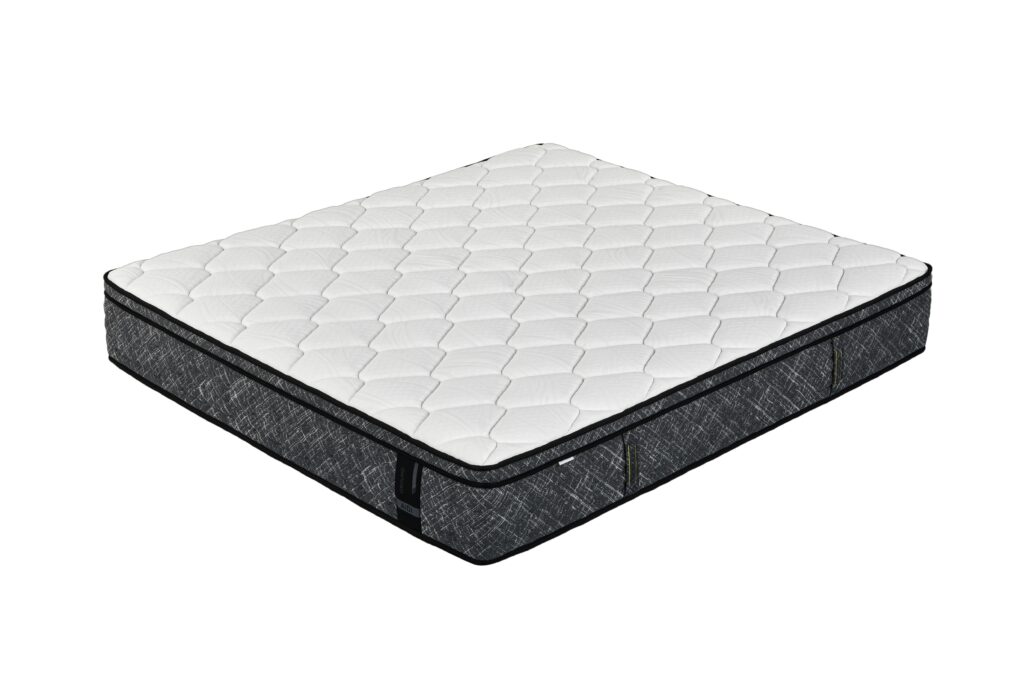
A full mattress, sometimes called a double, measures 54 inches wide by 75 inches long. It provides more sleeping space than a twin but is narrower than a queen. Full mattresses are common in guest rooms, teenager bedrooms, and smaller primary bedrooms where a queen would crowd the space. They are best suited for single sleepers who want a little extra room to stretch out compared to a twin bed.
Because of its manageable size, a full mattress can work in a variety of settings, from traditional bed frames to futons, bunk beds, loft beds with desks, and daybeds. However, before you commit, you need to understand the full picture—literally.
Standard Full Mattress Dimensions and Thickness
The industry standard for a full mattress is 54 inches wide by 75 inches long. Unlike some specialty sizes, this measurement is consistent across most manufacturers. However, thickness can vary dramatically. Typical full mattress thickness ranges from 8 to 14 inches, though low-profile models may be as thin as 6 inches and some pillow-top or hybrid designs can reach 16 inches or more.
Thickness matters because it affects:
- Sheet pocket depth (standard sheets fit up to 14 inches; deep-pocket sheets are needed for thicker mattresses).
- The overall height of the sleep surface, which can impact accessibility for children, seniors, or anyone with mobility concerns.
- Compatibility with bed frames, headboards, and footboards—especially in adjustable bases or trundle configurations.
- Mattress toppers and pads, which add extra height and require appropriate sheets.
Always measure the finished height of the mattress with any topper you plan to use before buying bedding or confirming a frame.
Full Mattress Size vs Twin and Queen
If you are deciding between a full and a twin or queen, a side-by-side comparison helps. The table below highlights the practical differences.
| Feature | Twin | Full | Queen |
|---|---|---|---|
| Dimensions (W x L) | 38″ x 75″ | 54″ x 75″ | 60″ x 80″ |
| Best for | Children, bunk beds, single sleepers in very small rooms | Teens, guest rooms, single adults who want more space than a twin | Couples, master bedrooms, single adults who prefer ample space |
| Comfort for one sleeper | Limited stretch room | Generous for one; snug for two | Spacious for one; adequate for two |
| Minimum room size | 7′ x 10′ | 10′ x 10′ | 10′ x 10′ |
| Sheet & accessory cost | Generally lowest | Moderate | Higher |
| Mobility (moving) | Lightest; easiest to carry | Manageable for one or two people | Bulkier; often requires two people |
For a single adult or a guest room, a full mattress often strikes the right balance between comfort and space efficiency. Couples usually find a full too tight and are better off with a queen.
Thickness and Height Considerations
Mattress thickness is a personal preference, but it also has functional consequences. A very thick mattress (over 12 inches) can make a bed quite tall, especially when combined with a box spring or a high-profile frame. This may be difficult for shorter individuals or older adults to get into and out of comfortably. On the other hand, a thinner mattress may not provide enough support for heavier sleepers or those who prefer a plush feel.
If you specifically need a tall bed, look for a frame described as “over 12.4 inches high” but be aware that this is an uncommon specification; most standard metal frames sit about 7–9 inches off the floor. Platform beds and many modern frames are lower to the ground, which pairs well with a thicker mattress to keep the overall height moderate.
Also, check the depth of your existing headboard or footboard. If the mattress thickness plus foundation is too high, it can hide decorative features or exceed safety gaps in bunk beds and loft beds.
Room Size and Bed Frame Compatibility
A full mattress requires a minimum room size of about 10 feet by 10 feet. This allows for the bed, a nightstand, and enough clearance to walk around comfortably. In smaller rooms, a full can still work if you use a compact frame and keep other furniture minimal.
When it comes to bed frames, compatibility is more than just length and width. Consider these frame types:
- Standard metal frame with crossbars: Usually adjustable in width; confirm it supports 54″ width. Many are designed for twin or full, but always check.
- Platform bed: Does not require a box spring. Ensure the slat spacing is no more than 3 inches apart to support the mattress properly.
- Loft bed or bunk bed: Requires exact mattress thickness to meet safety rail gaps. A mattress that is too thick can reduce the rail height and create a fall hazard.
- Futon frame: Full-size futon frames are common, but the mattress must be a flexible futon mattress, not a standard innerspring or foam mattress, which can be damaged when bent.
- Adjustable base: Full-size adjustable bases exist but are less common; verify that the mattress is compatible with bending (most memory foam and latex mattresses work, while innerspring may not).
One critical point: a full mattress will not fit on a queen frame. The width difference (54″ vs. 60″) means the mattress either hangs over unsupported or leaves dangerous gaps. Conversely, a queen mattress cannot fit on a full frame because it will overhang excessively, leading to sagging and instability.
Custom Full Mattress Decisions
For most shoppers, a standard full mattress works fine. However, there are scenarios where a custom build makes sense:
- You have a non-standard space, such as an RV, boat, antique bed, or built-in alcove that requires exact dimensions.
- You need a specific thickness, firmness, or material combination that isn’t available off the shelf.
- You want to match an existing mattress in a split or partnered space (e.g., two twins pushed together to form a king, but you need a custom full for another room).
- You have allergies or sensitivities that demand certified organic or chemical-free materials.
When ordering a custom full mattress, communicate these details clearly to the builder:
- Exact finished dimensions (width x length x height), including any tolerance you can accept.
- Desired firmness level or layering (e.g., 3″ latex on 6″ polyfoam core).
- Edge support requirements (important if you sit on the edge often).
- Cover type and zipper placement for easy rotation or cleaning.
- Shipping and delivery constraints (custom mattresses often come compressed or rolled if made of foam).
Production tolerances for custom mattresses are typically ±1 inch in length and width, and ±0.5 inch in thickness. Always confirm this with the manufacturer and measure your space with extra margin.
Box Springs, Foundations, and Support
A full mattress can be used with several support systems:
- Box spring: Traditional wood-framed, spring-loaded box designed to absorb shock and provide a slight bounce. Usually paired with innerspring mattresses. Requires a sturdy bed frame.
- Foundation: A solid or slatted wood support without springs, suitable for memory foam, latex, or hybrid mattresses. It offers a firmer feel.
- Bunkie board: A thin, solid platform placed between a mattress and a slatted frame to protect the mattress and provide even support. Useful for platform beds or bunk beds.
Not every mattress needs a box spring. Many newer mattress designs work best on a solid, flat surface. Check the mattress warranty; failure to provide proper support can void it. Full mattress and box spring sets are still sold and can be a convenient, cost-effective option for guest rooms or budget setups.
Common Mistakes to Avoid
Even with the best intentions, buyers often make these errors when choosing a full mattress:
- Buying a mattress that is too thick for the bed frame, resulting in a sleep surface that is uncomfortably tall or unsafe.
- Not measuring doorways, staircases, and hallways before delivery. A full mattress, especially in a box, is easier to move, but a traditional innerspring may not bend.
- Forgetting about sheet depth—standard sheets won’t fit a 16-inch mattress.
- Assuming all full mattresses are exactly 54″ x 75″; some off-brand imports may be off by an inch, causing poor fit in a custom frame.
- Mismatching with a queen frame or trying to use a full mattress on a queen adjustable base (the base will not be wide enough, and the mattress may fold incorrectly).
- Ignoring weight capacity when using a full mattress on a loft bed or bunk bed—the mattress plus sleeper weight must not exceed the frame’s limit.
When to Choose a Full Mattress
A full mattress is the right choice for:
- Single sleepers in rooms that are too small for a queen.
- Teenagers and young adults who need a size that will last into adulthood without dominating a small bedroom.
- Guest rooms that accommodate one person most of the time but can sleep two in a pinch.
- Budget-conscious shoppers, since full-size mattresses and accessories typically cost less than queen equivalents.
- Anyone who likes to sleep with some extra room but doesn’t need the footprint of a queen.
A full mattress is generally not recommended for two adults, taller individuals (over six feet) who may prefer the extra length of a queen, or very active sleepers who need more space.
Final Takeaway
The key to a successful full mattress purchase is planning. Start with accurate measurements of your room and frame, decide on a thickness that works with your bedding and accessibility needs, and check the support system requirements. Understand that a standard full is 54 by 75 inches, but real-world tolerances can vary. If your situation is unique, a custom mattress might be the most reliable solution. Remember, a mattress is a long-term investment in your comfort—give it the same careful consideration you would any important home furnishing.
References
Related Guides in This Category
- Cal King Mattress: Space Planning, Frame Match and Comfort Notes
- King Mattress Set: Space Planning, Frame Match and Comfort Notes
- Length of Twin Mattress: Space Planning, Frame Match and Comfort Notes
- King Mattress for Couples: Space Planning, Frame Match and Comfort Notes