
Full Mattress on Queen Frame: Frame Match, Support and Setup Notes
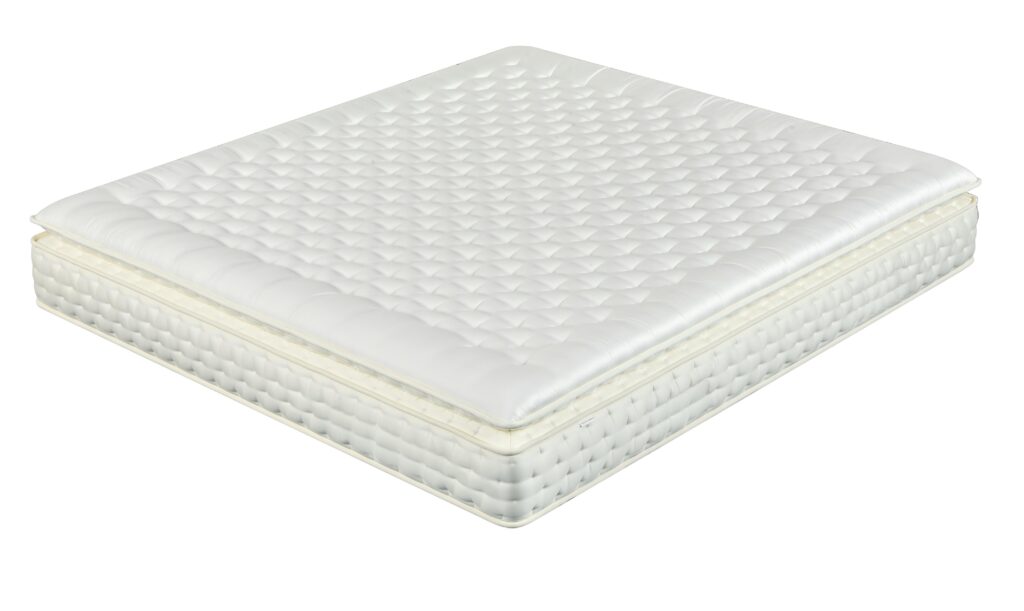
Understanding the Size Difference: Full vs Queen Mattress Dimensions
Standard mattress sizes in the United States follow generally accepted industry guidelines. A full mattress (also called a double) typically measures 54 inches wide by 75 inches long. A queen mattress measures 60 inches wide by 80 inches long. This means a queen frame is designed to hold a mattress that is 6 inches wider and 5 inches longer than a full mattress.
| Dimension | Full Mattress | Queen Mattress | Difference |
|---|---|---|---|
| Width | 54 inches | 60 inches | 6 inches narrower |
| Length | 75 inches | 80 inches | 5 inches shorter |
| Recommended frame size | 54″ x 75″ | 60″ x 80″ | Mismatched |
These measurements are based on conventional mattress sizing standards, such as those referenced by the International Sleep Products Association (ISPA). However, individual manufacturers may have slight production tolerances, which we address later. Buyers who need different dimensions or made-to-order options can explore our custom mattress collection for suitable size and construction solutions.
Can You Place a Full Mattress on a Queen Bed Frame?
The short answer is no—a full mattress will not naturally fit a standard queen bed frame. The frame rails, slats, or platform surface are built for a larger mattress. A full mattress placed inside a queen frame will leave a visible gap around all four sides. There is also a risk that the mattress will slide out of position because nothing holds it in place laterally.
However, with modifications, it can work. The key is to fill the gap between the mattress and the frame securely and ensure the mattress support foundation is adequate.
What Happens When You Put a Full Mattress on a Queen Frame?
If you simply place a full mattress on a standard queen bed frame, you will encounter these issues:
- Gaps around the mattress: The extra frame space (6 inches in width, 5 inches in length) creates a gap that can collect dust, allow pillows to fall, and look unfinished.
- Unstable mattress position: Without rails or brackets to keep the mattress centered, it may shift when you sit on the edge or adjust during sleep.
- Inadequate support: Queen slat or platform systems often have center support legs and slat spacing designed for a heavier, larger mattress. A smaller mattress may not distribute weight correctly on the support surface.
- Improper foundation use: If using a box spring, a full box spring will not fill a queen frame, and a queen box spring will be wider than the full mattress, creating an overhang that can damage the mattress edge.
How to Make a Full Mattress Work on a Queen Frame: Adapters and Custom Solutions
If you intend to use a full mattress with a queen frame for the long term, consider these adaptation methods:
- Mattress gap filler inserts: Foam or upholstered filler pieces can be cut to bridge the gap between the mattress and the frame rails. These are often custom-made to match the mattress height and frame depth.
- Custom platform or plywood insert: A rigid platform cut to queen dimensions (60″ x 80″) can be placed over the existing slats or frame supports. The full mattress then rests on top of this platform, effectively converting the support to queen size.
- Adjustable-width bed frames: Some metal bed frames can be adjusted inward to match full dimensions, but most are designed for specific sizes. Check if your frame has adjustable side rails.
- Adding side rails or cleats: Wood cleats or angle brackets can be installed inside the queen frame to reduce the inner width and length, creating a snug space for the full mattress.
Custom solutions often require basic carpentry skills. If you are not comfortable modifying the frame, consider a professional handyman or furniture builder.
Full Mattress on Queen Frame Thickness and Support Considerations
Mattress thickness affects how the setup looks and functions. A thicker mattress (12 inches or more) may protrude above the frame rails, hiding some of the gap but potentially creating an unstable edge support. A thinner mattress (6–8 inches) will sit lower within the frame, making the gap more obvious.
Queen frames typically have a center support bar or leg to handle the weight of a queen mattress (often up to 600 pounds total). A full mattress weighs less, but the center support should still be utilized to prevent sagging of the slats or platform. Ensure that the slats are spaced no more than 3 inches apart to properly support the full mattress, whether it is innerspring, foam, or hybrid mattress structure.
Understanding the Size Difference: Full vs Queen Mattress Dimensions
Standard mattress sizes in the United States follow generally accepted industry guidelines. A full mattress (also called a double) typically measures 54 inches wide by 75 inches long. A queen mattress measures 60 inches wide by 80 inches long. This means a queen frame is designed to hold a mattress that is 6 inches wider and 5 inches longer than a full mattress.
| Dimension | Full Mattress | Queen Mattress | Difference |
|---|---|---|---|
| Width | 54 inches | 60 inches | 6 inches narrower |
| Length | 75 inches | 80 inches | 5 inches shorter |
| Recommended frame size | 54″ x 75″ | 60″ x 80″ | Mismatched |
These measurements are based on conventional mattress sizing standards, such as those referenced by the International Sleep Products Association (ISPA). However, individual manufacturers may have slight production tolerances, which we address later. Buyers who need different dimensions or made-to-order options can explore our custom mattress collection for suitable size and construction solutions.
Can You Place a Full Mattress on a Queen Bed Frame?
The short answer is no—a full mattress will not naturally fit a standard queen bed frame. The frame rails, slats, or platform surface are built for a larger mattress. A full mattress placed inside a queen frame will leave a visible gap around all four sides. There is also a risk that the mattress will slide out of position because nothing holds it in place laterally.
However, with modifications, it can work. The key is to fill the gap between the mattress and the frame securely and ensure the mattress support foundation is adequate.
What Happens When You Put a Full Mattress on a Queen Frame?
If you simply place a full mattress on a standard queen bed frame, you will encounter these issues:
- Gaps around the mattress: The extra frame space (6 inches in width, 5 inches in length) creates a gap that can collect dust, allow pillows to fall, and look unfinished.
- Unstable mattress position: Without rails or brackets to keep the mattress centered, it may shift when you sit on the edge or adjust during sleep.
- Inadequate support: Queen slat or platform systems often have center support legs and slat spacing designed for a heavier, larger mattress. A smaller mattress may not distribute weight correctly on the support surface.
- Improper foundation use: If using a box spring, a full box spring will not fill a queen frame, and a queen box spring will be wider than the full mattress, creating an overhang that can damage the mattress edge.
How to Make a Full Mattress Work on a Queen Frame: Adapters and Custom Solutions
If you intend to use a full mattress with a queen frame for the long term, consider these adaptation methods:
- Mattress gap filler inserts: Foam or upholstered filler pieces can be cut to bridge the gap between the mattress and the frame rails. These are often custom-made to match the mattress height and frame depth.
- Custom platform or plywood insert: A rigid platform cut to queen dimensions (60″ x 80″) can be placed over the existing slats or frame supports. The full mattress then rests on top of this platform, effectively converting the support to queen size.
- Adjustable-width bed frames: Some metal bed frames can be adjusted inward to match full dimensions, but most are designed for specific sizes. Check if your frame has adjustable side rails.
- Adding side rails or cleats: Wood cleats or angle brackets can be installed inside the queen frame to reduce the inner width and length, creating a snug space for the full mattress.
Custom solutions often require basic carpentry skills. If you are not comfortable modifying the frame, consider a professional handyman or furniture builder.
Full Mattress on Queen Frame Thickness and Support Considerations
Mattress thickness affects how the setup looks and functions. A thicker mattress (12 inches or more) may protrude above the frame rails, hiding some of the gap but potentially creating an unstable edge support. A thinner mattress (6–8 inches) will sit lower within the frame, making the gap more obvious.
Queen frames typically have a center support bar or leg to handle the weight of a queen mattress (often up to 600 pounds total). A full mattress weighs less, but the center support should still be utilized to prevent sagging of the slats or platform. Ensure that the slats are spaced no more than 3 inches apart to properly support the full mattress, whether it is innerspring, foam, or hybrid mattress structure.