
Gel Foam Mattress: Cooling Features, Materials and Hot-Sleeper Fit
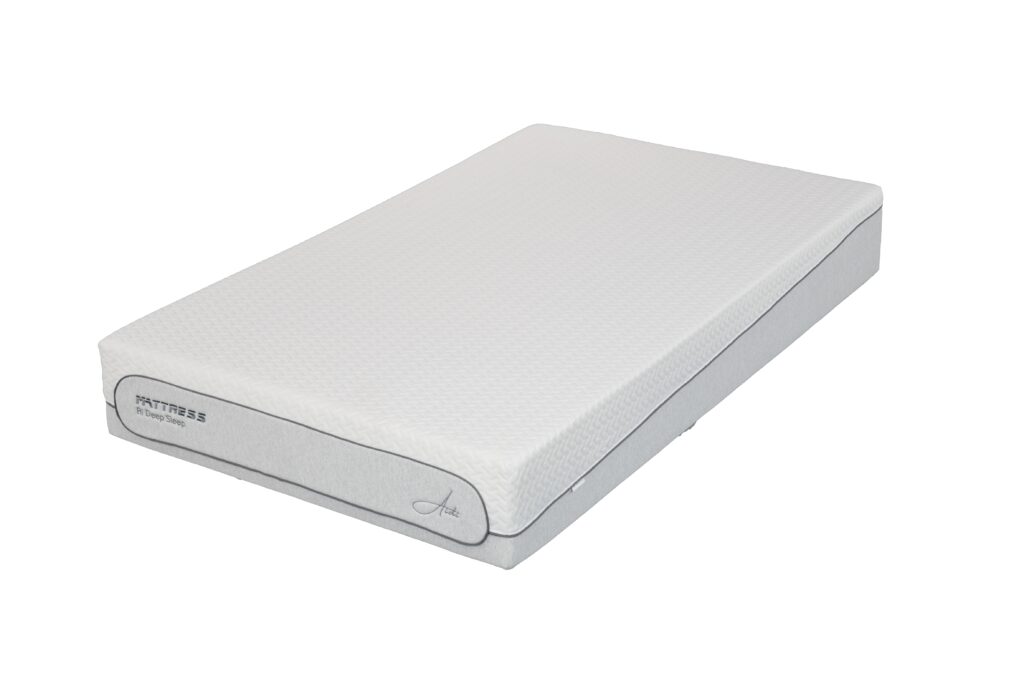
How Gel Foam Mattresses Are Built for Cooling
Gel foam mattresses combine viscoelastic memory foam with cooling agents to counteract the well‑known heat buildup of standard memory foam. The cooling construction can take several forms:
- Gel‑infused foam: Liquid gel or gel beads are mixed directly into the foam during manufacturing. The theory is that the gel draws heat away from the body and disperses it through the material.
- Gel‑swirled foam: A more visible approach where gel is swirled into the foam layer. This can create a cooler surface feel but may not change deep foam temperature significantly.
- Phase‑change materials (PCMs): Some gels include PCMs that absorb, store, and release heat to maintain a stable temperature near the skin.
- Gel‑coated or gel‑layered surfaces: A dedicated gel layer sits on top of the memory foam, providing immediate cool‑to‑the‑touch sensation.
According to the textbook Polyurethane Foam: Materials, Properties and Applications (Chapter 8), viscoelastic foam inherently restricts airflow and traps heat, so gel additives aim to improve thermal conductivity and heat dissipation. However, gel alone does not guarantee all‑night cooling.
The Role of Airflow and Breathable Layers
Cooling is not only about gel; it is a system that involves airflow through the mattress. A gel foam mattress that lacks breathable construction may still sleep warm.
Key airflow features to look for:
- Open‑cell foam: Traditional memory foam has closed cells. Open‑cell foam allows air and moisture to move more freely, reducing heat buildup.
- Convoluted or ventilated foam: Dimpled, grooved, or channeled foam increases air channels and surface area for better heat exchange.
- Transition layers: Firmer polyfoam or latex transition layers often have larger pores and better breathability than dense memory foam.
- Side panels with mesh or air‑exchange zones: Some designs include breathable borders to encourage passive air circulation.
A 2021 study published by the Journal of Building Engineering (Vol. 44, “Influence of mattress materials on skin temperature and sleep quality”) found that mattresses with higher air permeability correlated with lower microclimate temperature and improved sleep efficiency. Without adequate ventilation, even a gel foam mattress can trap body heat.
Cover Materials That Affect Cooling Performance
The mattress cover is the first surface the sleeper touches, and it plays a significant role in perceived temperature. A hot‑sleeper should compare cover materials just as carefully as the foam core.
Common cover cooling characteristics:
| Cover Material | Cooling Property | Limitation |
|---|---|---|
| Cotton | Breathable, moisture‑absorbent | Loses cool feel if damp |
| Bamboo‑derived rayon | Cool to touch, moisture‑wicking | Durability varies |
| Tencel / Lyocell | High moisture absorption, cool surface | Often blended with synthetics |
| Phase‑change cover | Actively regulates skin temperature | Effect fades over time |
| Polyester / synthetic | May wick moisture if treated | Can feel warm, low breathability |
Even if a gel foam mattress advertises a cooling cover, the effect can be neutralized by a mattress protector or deep sheets that insulate heat. Hot sleepers should look for breathable, moisture‑wicking bedding that works with the cover, not against it.
When Gel Foam Can Still Trap Heat
Not every gel foam mattress sleeps cool. Several factors can override the cooling benefits:
- High‑density memory foam base: Many gel foam mattresses use a dense support core that retains heat regardless of the gel in the comfort layer.
- Gel concentration: A low percentage of gel additive (sometimes only 1–3%) may not provide meaningful cooling beyond a slight surface sensation.
- Layered construction: If the gel layer is buried under a thick cover or additional foam, the cooling effect may never reach the sleeper.
- Room temperature and humidity: Gel foam performance is sensitive to ambient conditions. A warm sleeping environment reduces the temperature gradient and limits heat transfer.
- Body weight and compression: Heavier sleepers sink deeper, reducing airflow and increasing insulation around the body.
- Mattress protector and sheets: Waterproof or thick quilted protectors can block air circulation and trap heat on the surface.
According to the textbook Fundamentals of Sleep Technology (2nd Edition, Chapter 16, p. 489), “even advanced cooling foams require a holistic approach that includes cover permeability and microclimate management.” Hot sleepers should consider the entire sleep system, not the gel alone.
Gel Foam vs. Traditional Memory Foam Heat Retention
A direct comparison clarifies where gel foam makes a difference—and where it does not.
| Factor | Traditional Memory Foam | Gel Foam Mattress |
|---|---|---|
| Initial surface feel | Warm to touch | Cool to touch (gel coating/infusion) |
| Heat dissipation | Poor; body heat accumulates | Improved through gel conductivity |
| Airflow | Often closed‑cell, minimal air movement | Many use open‑cell or ventilated designs |
| All‑night temperature | Gradually warms, may cause night sweats | Better temperature regulation, but can still warm up after several hours |
| Best for | No‑pressure sleepers who don’t overheat | Hot sleepers willing to manage the whole sleep environment |
| Typical limitation | Excessive heat buildup | Cooling effect may be limited if density is high or room is warm |
Gel foam does not eliminate heat retention; it reduces it. For extreme hot sleepers, a gel foam mattress may still require additional cooling strategies like breathable bedding, room cooling, or hybrid designs with innerspring cores.
Who Benefits Most from a Gel Foam Mattress?
A gel foam mattress tends to be a better fit for specific sleeper profiles, but it is not the best choice for everyone.
Good candidates include:
- Sleepers who wake up regularly feeling overheated but appreciate the pressure relief of memory foam.
- Those who sleep with a partner who generates extra body heat.
- People in climates with moderate temperatures who need a slight cooling edge.
- Sleepers who are willing to combine the mattress with a breathable mattress protector and sheets.
Less suitable for:
- Extreme hot sleepers who need aggressive cooling (look for hybrid mattresses with pocketed coils).
- Heavy individuals who compress the foam deeply and block airflow.
- Those on a very restricted budget, as effective gel foam mattresses often cost more than basic memory foam.
- Sleepers who prefer a bouncy, innerspring feel and do not like the hug of foam.
The difference between a good fit and a bad fit often comes down to whether the sleeper addresses all heat sources, not just the foam.
What to Check Before Choosing a Gel Foam Mattress
Use this checklist to compare cooling claims practically, not to rely on marketing terms.
- Gel type: Is the gel infused, swirled, or is it a separate layer? Infused gels typically last longer.
- Foam density: Higher density can mean more durability but also more heat retention. Aim for 3.5–5 lbs density for a balance.
- Open‑cell certification: Look for “open‑cell” in the description. If not stated, ask about air permeability testing.
- Cover composition: Prioritize cotton, Tencel, or bamboo covers with moisture‑wicking properties.
- Mattress thickness and layer placement: A thin gel layer buried under several inches of conventional memory foam may deliver minimal cooling.
- Overall mattress construction: Does the support core promote airflow? Innerspring or hybrid cores circulate air better than solid polyfoam.
- Return and trial policies: Since cooling is subjective, a trial period in the actual sleeping environment is important.
- Bed base compatibility: Slatted foundations with gaps can improve under‑mattress ventilation; a solid platform can trap heat.
Sleep Foundation notes that mattress temperature regulation is most effective when materials, construction, and environment work together, not when a single “cooling” feature is relied upon.
Final Takeaway
A gel foam mattress can help hot sleepers, but it is not a guaranteed solution. Cooling performance depends on gel dispersion, foam cell structure, cover breathability, and the sleep environment. Comparing cooling claims against real sleep‑use cases means looking beyond the gel label and evaluating the entire mattress system: the foam layers, the air channels, the cover, the sheets, and the room temperature. For some, a gel foam mattress will be a comfortable upgrade; for others, a hybrid or latex mattress may be a better tool against night heat. The best approach is to test real‑world cooling with a clear understanding of what gel can and cannot do.
References
Related Guides in This Category
- Bamboo Mattress: Cooling Features, Materials and Hot-Sleeper Fit
- Cool Mattress: Cooling Features, Materials and Hot-Sleeper Fit
- Cooling Gel Mattress: Cooling Features, Materials and Hot-Sleeper Fit
- Mattress Cooling Pad: Cooling Features, Materials and Hot-Sleeper Fit
- How to Evaluate Best Mattress for Hot Sleepers Without Relying on Generic Rankings
- Breathable Crib Mattress: Cooling Features, Materials and Hot-Sleeper Fit
- Cool Gel Mattress: Cooling Features, Materials and Hot-Sleeper Fit
- Gel Mattress: Cooling Features, Materials and Hot-Sleeper Fit
- Cooling Mattress: Cooling Features, Materials and Hot-Sleeper Fit
- Gel Flex Grid Mattress: Cooling Features, Materials and Hot-Sleeper Fit