
XL Twin Mattress: Size, Thickness and Bed Base Compatibility
What Is an XL Twin Mattress?
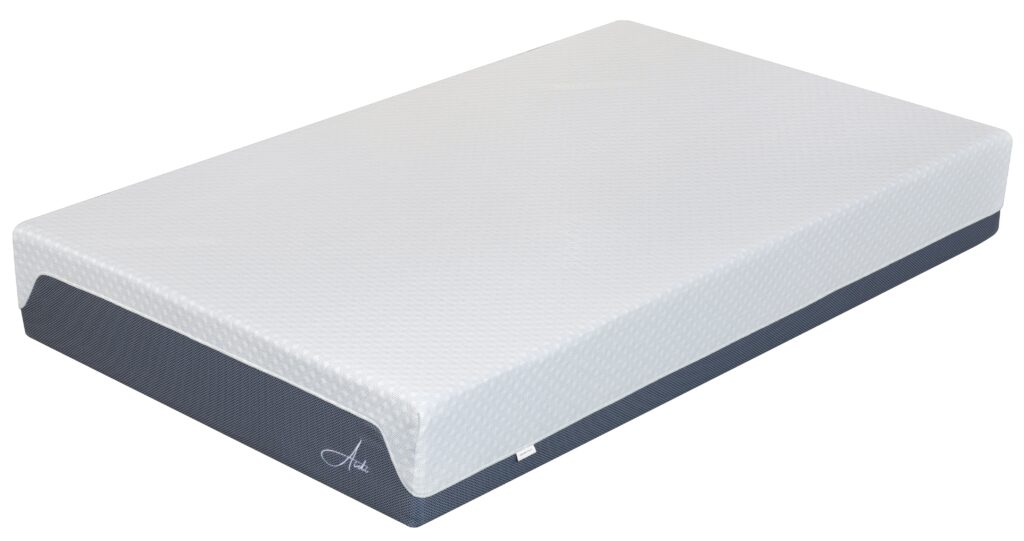
An XL twin mattress is essentially a twin-length mattress with an extra 5 inches of length. The standard width remains the same as a regular twin, but the length increases from 75 inches to 80 inches. This makes it the same length as a queen or king mattress while keeping the narrower width. The extra length better accommodates taller sleepers and is commonly used in:
- College dormitories
- Adjustable beds
- Bunk beds designed for adults or taller teens
- RVs and campers
- Guest rooms with limited width
Despite the name, XL twin mattresses are not interchangeable with standard twin bedding. The longer dimension means standard twin fitted sheets will not fit, and bed frames must support the full 80-inch length.
XL Twin Mattress Dimensions and Tolerances
The industry standard dimension for an XL twin mattress is:
| Measurement | Standard Dimension | Typical Production Tolerance |
|---|---|---|
| Width | 39 inches | ± 0.5 inch |
| Length | 80 inches | ± 0.5 inch |
Tolerances exist because foam and spring mattresses may expand or compress slightly during manufacturing, and cover stitching can affect final dimensions. When fitting an XL twin into a tight space like an RV slide-out or a custom bed frame, it’s wise to allow at least an extra half-inch of clearance beyond the listed size. Always measure the available length and width before ordering, especially if the mattress must fit between fixed side rails or inside a recessed platform.
How XL Twin Compares to Other Standard Mattress Sizes
To understand where an XL twin fits, the table below shows common mattress sizes side by side:
| Size | Width (inches) | Length (inches) | Typical Use |
|---|---|---|---|
| Twin | 39 | 75 | Children’s beds, bunk beds, daybeds |
| XL Twin | 39 | 80 | Dorms, adjustable beds, taller teens, RVs |
| Full | 54 | 75 | Single adults, guest rooms with more width |
| Queen | 60 | 80 | Couples, master bedrooms |
| King | 76 | 80 | Couples with more space, master suites |
An XL twin shares the width of a twin but the length of a queen, so it can replace a queen when width is limited. However, it is not a direct substitute for a standard twin in frames or bedding.
Bed Frame Compatibility for an XL Twin Mattress
Not every bed frame that works for a twin will work for an XL twin. The frame must support the full 80-inch mattress length without overhang or instability. Key frame types and their compatibility:
- Adjustable bed frames: Many adjustable bases are designed specifically for XL twin size, as they are popular in split-king setups. Verify the base length is 80 inches.
- Platform beds: Must have a platform surface that measures at least 39 x 80 inches. Standard twin platforms (75 inches) will be too short.
- Bunk beds: Only bunk beds labeled for XL twin will work. Standard twin bunks are too short. Check the internal dimension between headboard and footboard.
- Trundle beds: The trundle drawer and under-bed clearance must accommodate the longer mattress and potentially thicker profile.
- Bed frames with headboard and footboard: The distance between the headboard and footboard must be at least 80.5 inches to accept the mattress without forcing it.
- Frames with side rails: Rails must run the full 80-inch length; standard twin rails are typically 75 inches.
When in doubt, measure the interior dimensions of the frame where the mattress will sit, not just the overall frame size. A misjudged frame is one of the top reasons XL twin mattresses get returned.
Mattress Thickness and Fit Considerations
An XL twin mattress can range from a slim 6 inches to over 12 inches thick. Thickness (also called profile or depth) matters for safety, aesthetics, and compatibility with existing furniture:
- Bunk beds: Guardrail height must exceed the mattress thickness by at least 5 inches to prevent falls. A thick XL twin can render bunk bed rails useless.
- Trundles: The trundle drawer needs enough vertical clearance to slide under the main bed when the thicker mattress is on top.
- Adjustable beds: Thicker mattresses may resist bending at the foot section, causing stress on the base or discomfort. Many adjustable base manufacturers recommend a maximum thickness of 10–12 inches.
- Fitted sheets: Deep-pocket sheets are needed for profiles above 12 inches. Standard pocket depth may not reach over the corners.
- Overall bed height: Adding a tall mattress to a high platform can make the bed difficult to get into and out of, especially for children or elderly users.
Before committing to a mattress thickness, measure the bed frame’s side rail height, the bunk bed guardrail top edge, and any under-bed clearance. The goal is a safe, comfortable setup, not just a mattress that fits the length.
When to Consider a Custom XL Twin Mattress
Off-the-shelf XL twin mattresses meet most needs, but custom builds become necessary when:
- RV or boat mattresses: Many RVs and boats have cutouts, angled corners, or non-standard shapes. A custom XL twin can be cut to match the exact template of the space.
- Antique or imported bed frames: These often have non-standard interior dimensions that don’t match modern 39 x 80 sizing.
- Special thickness requirements: If a particular height is needed for ease of transfer (e.g., for wheelchair users), a custom depth can be specified.
- Mixed use: You may want a combination of foam layers not found in standard mattresses, like a firm base with a softer top, built exactly to 80-inch length.
- Unique corner configurations: Some adjustable beds or sleep systems have locking mechanisms that require notches or cutouts.
When ordering a custom XL twin, you will typically provide the exact length, width, and any corner radius or cutout template. Be aware that production tolerances still apply; a custom shop will try to match your template as closely as possible, typically within ±0.5 inch. Discuss cover material, zipper placement, and foam density options to get a usable final product.
Common Mistakes When Choosing an XL Twin Mattress
Avoid these frequent errors to save time and money:
- Assuming XL twin equals twin: The 5-inch length difference means standard twin sheets won’t fit, and twin bed frames won’t work.
- Ignoring frame interior length: Measuring the overall footprint of the bed frame is not enough. Measure inside where the mattress sits.
- Overlooking thickness in bunk beds: A mattress that is too thick reduces guardrail safety and can even prevent the top bunk occupant from climbing in safely.
- Not accounting for adjustable base flex: Some thick foam mattresses are too stiff to articulate properly, causing the base motor to strain.
- Buying without checking mattress weight: XL twin mattresses can be heavy. Make sure the bed frame and floor can support the weight, especially for top bunks.
- Forgetting sheet depth: Extra-thick mattresses need deep-pocket sheets, which cost more and are less common in twin stores.
- Assuming all RV mattresses fit: Even within the same floor plan, RV mattress cutouts can vary by model year. Always template the exact space.
Final Takeaway
An XL twin mattress solves a specific space problem: it gives tall sleepers or adjustable bed users the length of a queen in the width of a twin. To get the right fit, start with the standard 39 x 80 inch dimension, then check your frame’s interior length, required thickness for safety, and any custom shape needs. Measure twice, compare thickness options, and don’t rely on the word “twin” – XL twin is a different category. With careful planning, you’ll end up with a mattress that fits your space precisely and works comfortably for years.
References
Related Guides in This Category
- Full Sized Mattress: Size, Thickness and Bed Base Compatibility
- Twin Mattress Measurements: Size, Thickness and Bed Base Compatibility
- King Mattress in a Box: Size, Thickness and Bed Base Compatibility
- Mattress by Size: Size, Thickness and Bed Base Compatibility