
Cooling Mattress: Cooling Features, Materials and Hot-Sleeper Fit
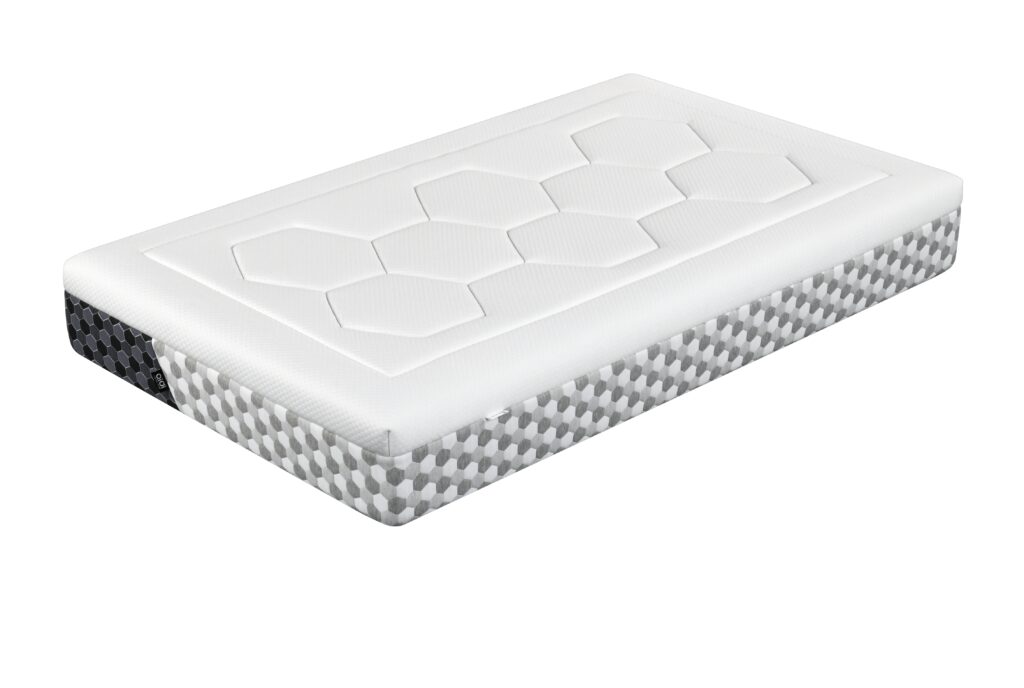
How Cooling Mattresses Work: Active vs Passive Cooling
Cooling mattresses use either passive temperature regulation or active heat removal. Most consumer cooling mattresses rely on passive methods—breathable foam, gel infusions, phase-change materials, or open-cell structures that let heat escape. Passive cooling does not add energy; it simply reduces heat buildup by improving airflow and thermal conductivity.
Active cooling is less common and often involves external components such as circulating water, air, or thermoelectric elements. These systems can actively pull heat away from the body but require power and add mechanical complexity. For the typical hot sleeper, passive cooling in the mattress layers is usually sufficient if paired with a temperature-neutral sleep environment.
Key Cooling Materials and Construction
Not all “cooling” labels are equal. The actual cooling performance depends on the layer materials and how they are arranged. Below are the most common passive cooling approaches.
| Material / Construction | How It Promotes Cooling | Best For | Limitations |
|---|---|---|---|
| Gel-infused memory foam | Gel particles or swirls conduct heat away from the body and disperse it. | Side sleepers who need pressure relief without high heat buildup. | Gel content varies; lower-quality foams may still trap heat. |
| Open-cell foam | Internal air pockets allow body heat to escape and fresh air to circulate. | Combination sleepers who move during the night. | Can be less durable than high-density closed-cell foam. |
| Natural latex | Naturally breathable and does not retain heat like synthetic foam. | Sleepers who prefer a natural material with resilience. | Heavier and more expensive; some latex can still feel warm without a breathable cover. |
| Phase-change materials (PCMs) | Absorb, store, and release heat to keep temperature near body-neutral range. | Sleepers who experience temperature swings during the night. | Effective only within a limited temperature window; performance fades over time. |
| Hybrid coils with comfort foam | Pocketed coil support core promotes air movement through the mattress. | Stomach and back sleepers who need firmer support with cooling. | Comfort layer material still matters; dense memory foam on top can block airflow. |
| Copper-infused foam | Copper particles draw heat away from the body and dissipate it. | Sleepers who prioritize heat dispersion plus antimicrobial properties. | Copper loading varies; some foams use minimal amounts that have limited cooling effect. |
Construction also plays a role. A mattress with multiple thin layers of breathable materials often ventilates better than one thick slab of dense foam. Airflow channels, perforated foam, and transitional layers can all reduce the temperature inside the mattress.
Cover Fabrics That Affect Sleeping Temperature
The mattress cover is the first layer your skin contacts. A cooling mattress cover should enhance breathability, wick moisture, and feel cool to the touch at the start of the night. Common cover materials include:
- Phase-change covers: Similar to PCM layers, these covers can feel notably cool at first touch and absorb excess heat.
- Cellulose-based fabrics (Tencel, bamboo viscose): Naturally moisture-wicking and cooler than synthetic fibers.
- Cotton blends with moisture-wicking treatment: Soft and breathable, but may not feel actively cool.
- Polyester blends with cooling finish: Can feel cool initially, but the finish may wear off over time.
A cover that claims “cooling” but lacks moisture management may end up holding sweat against your skin, making you feel warmer by morning. For heavy night sweating, prioritize moisture-wicking ability over cold-to-the-touch sensation.
Heat Retention Risks in Cooling Mattresses
Even a marketed cooling mattress can trap heat if you overlook these risks:
- Thick memory foam comfort layers: High-density, closed-cell memory foam can act as an insulator, not a cooler.
- Overly plush or close-conforming surfaces: Deep sinkage surrounds the body, limiting air circulation around the sleeper.
- Non-breathable mattress protectors or pads: A waterproof protector with a plastic backing can cancel cooling by blocking airflow entirely.
- Solid foam base cores: Without coil support or ventilation channels, heat can accumulate inside the mattress and release slowly.
- Sleeping environment: A hot bedroom, heavy bedding, or an unventilated bed frame (solid platform) can overwhelm passive cooling features.
Before blaming the mattress, check whether your mattress protector, sheets, and bed base are working with or against the cooling design.
Which Sleeper Types Benefit Most from Cooling Features?
Not every sleeper needs a specialized cooling mattress. The following profiles stand to gain the most:
- Hot sleepers: People who consistently feel too warm while sleeping, regardless of ambient temperature.
- Night-sweat sufferers: Those who experience heavy sweating during sleep need moisture-wicking and breathable surfaces.
- Side sleepers: They have deep pressure points where heat can build, but cooling features must not sacrifice pressure relief.
- Couples sharing a bed: Body heat from two people can raise the mattress temperature more quickly.
- Menopausal women: Hormonal hot flashes often disrupt sleep, and cooling materials can provide some relief.
If you sleep cool and prefer a plush, enveloping feel, a standard mattress with moderate breathability may be more comfortable than a highly breathable cooling model that feels too firm or unyielding.
Cooling Mattress vs Cooling Topper vs Cooling Pad: When to Choose Each
Many hot sleepers wonder whether they need a full cooling mattress or just a cooling topper or pad. The decision depends on your current mattress condition and budget.
| Option | Best When | Limitations |
|---|---|---|
| Cooling mattress | Your mattress is old, sagging, or fundamentally too hot; you want a complete sleep surface upgrade. | Higher cost; harder to return; cooling performance depends on the entire build. |
| Cooling mattress topper (2-4 inches) | Your mattress support is still good, but the surface sleeps hot or lacks pressure relief. | Adds height; may shift if not secured; cannot fix a worn-out support core. |
| Cooling mattress pad / protector | You primarily want a cooler surface feel and added protection against spills or allergens. | Thin layers offer minimal cushioning; cooling effect can be short-lived. |
If your mattress is less than five years old and still supportive, try a cooling topper or a highly breathable protector before replacing the entire mattress. If the mattress is already sagging or you wake up with back pain, a topper will not solve the core problem.
Common Mistakes When Choosing a Cooling Mattress for Hot Sleepers
A careful purchase can still lead to an overheated night if these mistakes occur:
- Relying only on the word “cooling”: Look for specific materials (gel infusion, PCM, open-cell designation) rather than marketing language.
- Ignoring the comfort layer density: Firm, dense foam retains more heat than soft, breathable foam with large-cell structure.
- Buying based on cover feel alone: A cool-to-the-touch cover does not guarantee all-night temperature regulation.
- Using a non-breathable mattress protector: A waterproof protector that blocks airflow will undo the benefit of any cooling mattress.
- Forgetting bedding: Heat-trapping sheets (e.g., cheap microfiber) and heavy blankets can overwhelm passive cooling.
- Overlooking the bed foundation: A solid platform without slats or ventilation can trap hot air inside the mattress.
- Ignoring personal sleep position: Side sleepers need pressure relief and cooling combined; back sleepers may need more support with moderate cooling.
To get the full benefit from a cooling mattress, also adjust your sleep environment: keep the room temperature between 60–67°F (15–19°C) if possible, use breathable cotton or linen sheets, and ensure the mattress base allows airflow.
Final Takeaway
A cooling mattress works by combining breathable construction, heat-dispersing materials, and a well-designed cover to regulate your sleep temperature. It is most effective when matched to a hot sleeper’s body type, sleep position, and bedroom conditions. Passive cooling features—gel-infused foam, open-cell structures, latex, phase-change materials, and coil ventilation—can make a noticeable difference, but they are not a guaranteed fix if other heat sources are ignored. Before choosing a cooling mattress, examine the entire sleep system: mattress, protector, sheets, blankets, and bed base. A methodical approach will do more for your sleep comfort than any single “cooling” label.
References
Related Guides in This Category
- Breathable Mattress: Cooling Features, Materials and Hot-Sleeper Fit
- Bamboo Mattress: Cooling Features, Materials and Hot-Sleeper Fit
- Breathable Crib Mattress: Cooling Features, Materials and Hot-Sleeper Fit
- Cool Gel Mattress: Cooling Features, Materials and Hot-Sleeper Fit
- Gel Flex Grid Mattress: Cooling Features, Materials and Hot-Sleeper Fit
- Cool Mattress: Cooling Features, Materials and Hot-Sleeper Fit
- Gel Foam Mattress: Cooling Features, Materials and Hot-Sleeper Fit
- How to Evaluate Best Mattress for Hot Sleepers Without Relying on Generic Rankings
- Cooling Gel Mattress: Cooling Features, Materials and Hot-Sleeper Fit
- Mattress Cooling Pad: Cooling Features, Materials and Hot-Sleeper Fit