
Firm Mattress: Firmness, Support and Comfort Tradeoffs Explained
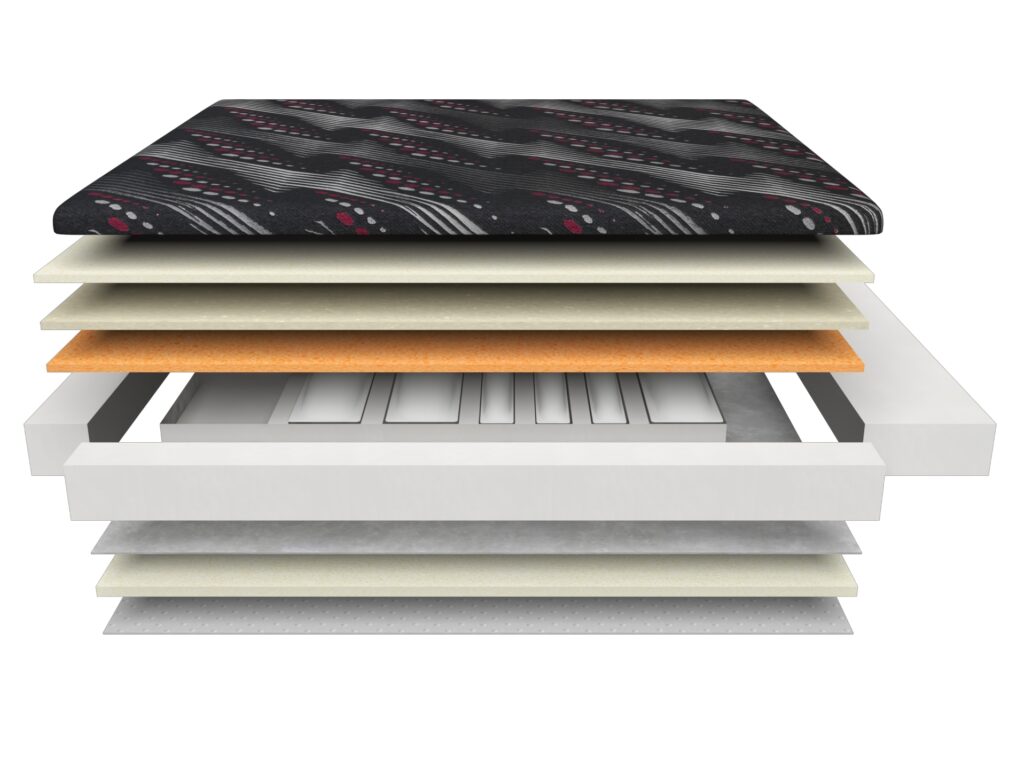
What Does “Firm” Mean in a Mattress?
A firm mattress resists compression when you lie on it. It provides a flat, taut surface with minimal sink. In the mattress industry, firmness is a measure of the initial “feel”—how hard or soft the top layers are—not necessarily how well the mattress holds your spine in alignment. Firmness is typically rated on a 1–10 scale, where 1 is extremely soft and 10 is extremely hard. “Firm” usually falls around 7–8 on this scale, though exact ratings vary by manufacturer.
Importantly, firmness is subjective. A lighter person may perceive a mattress as firmer than a heavier person because they exert less pressure on the surface. So when you shop for a firm mattress, consider not just the label but also your own body weight and shape.
Firmness vs Support: The Critical Difference
Many people confuse firmness with support. Firmness is about surface feel—how soft or hard the mattress feels when you first lie down. Support is about spinal alignment—whether the mattress keeps your spine in a neutral position from head to hips. A mattress can be soft yet still supportive if it contours properly; conversely, an ultra-firm mattress can cause poor alignment if it creates pressure points and pushes your spine out of neutral.
The takeaway: A mattress labeled “firm” does not automatically provide good orthopedic support. The real question is whether the mattress maintains the natural curve of your spine while you sleep.
Who Is a Firm Mattress Best For?
A firm mattress can work well for certain sleepers, but it’s not universal. Consider the following:
- Back sleepers: A medium-firm to firm surface often helps back sleepers maintain spinal alignment, especially if the mattress has enough give to support the lumbar area without sagging.
- Stomach sleepers: Stomach sleeping requires a flatter surface to prevent the hips from sinking too deeply, which can arch the lower back. A firm mattress may reduce that risk, but too firm can cause neck twisting.
- Heavier individuals: Higher body weight compresses materials more, so a firmer mattress prevents excessive sinkage that could lead to misalignment.
- People who prefer sleeping “on” the mattress: Some simply dislike the sensation of being “hugged” by foam. A firm surface gives a floating, on-top feel.
Side sleepers, however, often need more contouring pressure relief at the shoulder and hip, so a very firm mattress may cause discomfort or numbness.
Firmness Scale: What Level Is Right for You?
Instead of thinking “firm” as one fixed point, recognize that firmness is a spectrum. Most mattress companies use a 10-point scale, with the following general ranges:
| Firmness Level | Feel | Best For |
|---|---|---|
| 3–4 (Soft) | Deep sink, contouring hug | Lightweight side sleepers |
| 5–6 (Medium) | Balanced sink and rebound | Combination sleepers, average weight |
| 7–8 (Firm) | Minimal sink, flat surface | Back/stomach sleepers, heavier individuals |
| 9–10 (Extra Firm) | Very little give, hard | Specific medical needs, some stomach sleepers |
Remember that these numbers are not standardized. Your best guide is to test the mattress with your typical sleep position and see how your spine aligns.
Common Myths About Firm Mattresses
Myth 1: A Harder Mattress Always Fixes Back Pain
Research does not support this blanket claim. While some people with back pain find relief on a firmer surface, others do better with a medium-firm or even softer mattress that relieves pressure points. A review of mattress studies suggests that medium-firm mattresses often provide the best balance of comfort and spinal alignment for people with low back pain. Firmness alone cannot cure back pain; a proper diagnosis and sleep posture adjustments matter just as much.
Myth 2: Firm Mattresses Have No Pressure Points
A mattress that is too firm can create pressure points at the shoulders, hips, and heels because it does not contour to the body’s curves. This can restrict blood flow and cause pain, especially for side sleepers.
Myth 3: Firm Support Comes Only from Coils
Modern materials like high-density polyfoam, latex, and pocketed coils can all be engineered to provide firm support without sacrificing pressure relief. The material type does not determine firmness; the design and density do.
How to Test a Firm Mattress for Your Needs
If you’re considering a firm mattress, try these assessments:
- Spine alignment check: Lie on your back and have someone see if your spine forms a straight line. Your hips should not dip too much, and your shoulders should feel supported.
- Pressure point awareness: On your side, notice if you feel sharp pressure in your shoulder or hip within a few minutes. That’s a sign the mattress is too firm.
- Edge support: Sit on the edge; a firm mattress should not collapse excessively. Good edge support aligns with a stable sleep surface.
- Motion transfer: If you share the bed, firm mattresses often transmit less motion, but test with a partner moving around.
Firm vs Medium-Firm: Which One to Choose?
The choice often comes down to sleep position and weight. Here’s a quick comparison:
| Factor | Firm (7–8) | Medium-Firm (5–6) |
|---|---|---|
| Surface feel | Taut, little sink | Slight contouring |
| Best sleep position | Back, stomach | Back, combination |
| Pressure relief | Lower | Moderate |
| Heavier sleeper | Often preferred | May sink too much |
| Side sleepers | Usually not ideal | May work if not too firm |
If you’re unsure, a medium-firm mattress is often the safest starting point because it balances support and pressure relief for a wider range of people.
When a Firm Mattress Is a Bad Idea
Avoid a firm mattress if:
- You are a dedicated side sleeper with shoulder or hip pain.
- You have certain pressure-sensitive conditions like fibromyalgia or arthritis.
- You are very light (under 130 lbs) because you won’t compress the surface enough to create any contouring, leading to a floating, uncomfortable feel.
- Your partner is much lighter or a side sleeper; a firm mattress may create a compromise that pleases no one.
Adjusting Firmness with Toppers and Pads
If your mattress is too firm, a mattress topper can add a conforming layer to relieve pressure points. Memory foam and latex toppers are common. Conversely, if your mattress is too soft, a firm mattress topper can add support—though it’s easier to soften a too-firm mattress than to firm up a too-soft one. When choosing a topper, match the thickness and density to your comfort goal: 2–3 inches of medium-firm foam can adjust the feel without undermining the underlying support.
Final Takeaways
A firm mattress is not inherently better—it’s a preference and a tool for certain sleepers. It can help back and stomach sleepers, heavier individuals, and those who dislike sinking into foam. But firmness must not be confused with support: a supportive mattress maintains spinal alignment regardless of feel. Before buying, test the mattress in your typical sleep position, check for pressure points, and consider whether a medium-firm option might offer a healthier balance. Used wisely, a firm mattress can be part of a comfortable and supportive sleep setup, but it’s no guarantee of pain relief and may actually cause problems for side sleepers or those with specific pressure sensitivities.
References
Related Guides in This Category
- Medium Firm Mattress: Firmness, Support and Comfort Tradeoffs Explained
- Extra Firm Mattress: Firmness, Support and Comfort Tradeoffs Explained