
Twin Mattress Guide: Dimensions, Fit and Custom Build Notes
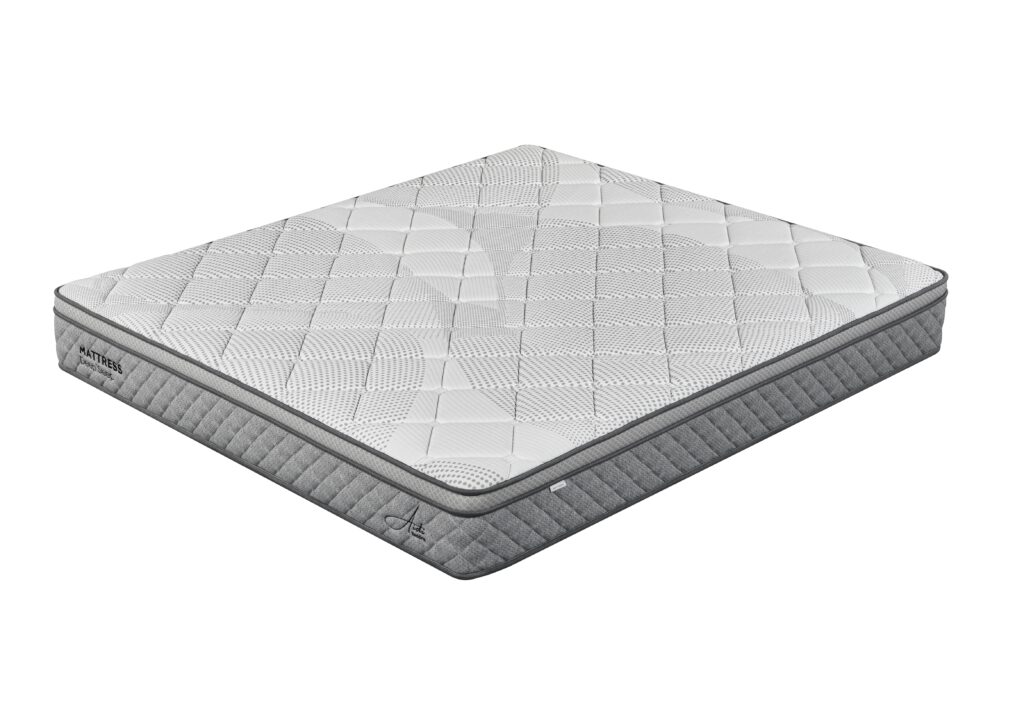
A twin mattress is one of the most commonly used bed sizes in homes, dorms, bunk rooms and guest spaces. Before choosing a twin mattress, it helps to understand standard dimensions, how thickness affects fit, and what to expect when comparing production tolerances or custom options. This guide walks through the practical details without pushing any one product, so you can check your bed frame, room layout and personal needs first.
Standard Twin Mattress Dimensions
The standard twin mattress size is built around a single sleeper layout. While most manufacturers aim for the same nominal measurements, slight variations exist. These are the typical dimensions in inches:
| Measurement | Inches | Centimeters (approx.) |
|---|---|---|
| Width | 38–39 | 96.5 – 99 |
| Length | 74–75 | 188 – 190.5 |
The small range reflects common manufacturing targets. A length of 75 inches is typical, but some twin mattresses measure 74 inches long. Always confirm the exact cut sheet or build specification if a tight fit matters.
Twin Mattress Thickness Guide
Thickness (profile) directly affects bunk bed safety, trundle clearance, loft bed rail height and ease of getting in and out of bed. Below are common twin mattress thickness categories and where each tends to work best.
| Thickness | Common Uses | Notes |
|---|---|---|
| 6-inch | Bunk beds, trundle beds, daybeds with low side rails | Often firmer, less cushion; check bunk bed guardrail gap rules. |
| 8-inch | Kids’ rooms, guest beds, low-profile frames | A middle ground; works with most standard sheets. |
| 10-inch | Adult sleepers, platform beds, everyday use | Better pressure relief; may sit too high on a bunk bed. |
| 12-inch | Master or guest rooms with platform or slatted frames | Often heavier; confirm frame center support and slat spacing. |
When a twin mattress is meant for a bunk bed, the top of the mattress should sit well below the guardrail top edge. Thicker mattresses can reduce that safety gap, so compare the mattress thickness against the bunk bed manufacturer’s limit.
How to Check Bed Frame and Room Fit
A twin mattress that matches the nominal dimensions may still create fitting problems if the bed frame or room layout is not checked first.
- Bed frame dimensions: Some frames are built to hold a mattress exactly, while others add a quarter-inch clearance on each side. Measure the inside width and length of the frame before ordering.
- Slat spacing: For foam or latex mattresses, slats often need to be no more than 3 inches apart to avoid sagging. Check the specific mattress requirement.
- Headboard and footboard clearance: A mattress that is slightly over the stated length can push against a tight footboard, making sheets hard to tuck.
- Room door and pathway: Moving a 38-inch-wide mattress around corners and through doorways is usually straightforward, but a high-profile box spring or foundation may limit clearance under low ceiling areas.
- Wall and furniture gap: Leave at least 2 feet of walking space on one side of the bed for easy bed-making and room flow.
Production Tolerance: What to Expect
No mattress is made to a mathematically perfect size. Soft materials, cutting methods and assembly steps introduce small dimensional tolerances. For a twin mattress, the most common cut tolerance is ±½ inch in width and length. This means a 38-inch reference width could arrive at 37.5 or 38.5 inches. Thickness tolerance is usually ±½ to ±1 inch, depending on foam and layer construction.
Why this matters:
- Sheets and protectors: Fitted sheets with deep pockets easily absorb small width changes, but a width over 39 inches may cause some standard twin sheets to feel too tight.
- Frame alignment: A mattress that is 74.5 inches long can leave a small gap at the foot of a frame built for 75 inches. That gap is normal and does not affect performance.
- Platform fit: For a flush look, ask the manufacturer about expected cut tolerance before ordering a custom-sized platform.
Custom Twin Mattress Decisions
Standard sizes work for most homes, but custom twin mattresses become useful when a bed frame is non-standard, the mattress needs a specific thickness for medical or accessibility reasons, or when matching a unique sleep layout. Custom decisions usually center on these points:
- Exact dimensions: You can specify width and length to the inch, allowing a true fit for antique frames, RVs, boat berths or built-in nooks.
- Thickness and firmness: Custom builds let you control the layer stack to match a desired height and feel, which is helpful for seniors, children or people with mobility needs.
- Material selection: Foam type, latex, coil count and fabric ticking can be chosen—but each choice affects weight, breathability and durability.
- Lead time and delivery: A custom twin mattress may take several weeks longer than a stock option and may ship compressed or flat depending on construction. Confirm delivery access before placing an order.
- Warranty notes: Custom sizes sometimes carry different warranty terms. Ask about return or exchange policies upfront.
Custom does not automatically mean better; it means more control over the build. If comfort returns or trial periods are important, check that custom orders are covered under the same terms as standard mattresses.
Twin vs. Other Mattress Sizes at a Glance
A quick comparison helps place the twin mattress among nearby size options.
| Size | Width (inches) | Length (inches) | Best For |
|---|---|---|---|
| Twin | 38–39 | 74–75 | Single sleepers, kids, bunk beds |
| Twin XL | 38–39 | 80 | College dorms, taller teens/adults |
| Full / Double | 53–54 | 74–75 | Solo adult with more room, smaller guest spaces |
A full or twin XL is often mistaken for a twin because the naming overlaps. If the bed frame label says “full” or “double,” a twin mattress will be too narrow. Measuring the inside width of the frame before choosing a size avoids that mistake.
Final Checklist Before Ordering
Use this checklist to reduce the chance of sizing errors or uncomfortable surprises.
- Measure the bed frame inside width and length—not just the platform or slat surface.
- Confirm the required mattress thickness for bunk beds, trundles or loft beds.
- Check slat spacing or foundation requirements for your chosen mattress type.
- Add the mattress thickness to the bed height and check that the total height fits the room’s proportions.
- Verify the stated production tolerance with the manufacturer or builder.
- Measure doorways, staircases and tight corners if the mattress will be delivered assembled.
- Decide whether a standard or custom twin mattress fits your timeline and budget goals.
Getting the right twin mattress comes down to more than the listed width and length. By checking thickness requirements, frame clearance, room layout and tolerance expectations early, you avoid most fitting headaches later. Whether you choose a standard off-the-shelf model or go custom, those few measurements make the difference between a mattress that works and one that causes daily frustration.
References
Related Guides in This Category
- Adjustable Queen Mattress Guide: Dimensions, Fit and Custom Build Notes
- Firm Full Size Mattress Guide: Dimensions, Fit and Custom Build Notes
- Split California King Mattress Guide: Dimensions, Fit and Custom Build Notes
- Queen Mattress and Boxspring Set Guide: Dimensions, Fit and Custom Build Notes
- Custom Mattress: Custom Fit, Comfort and Ordering Considerations
- Adjustable Mattress King Guide: Dimensions, Fit and Custom Build Notes
- Split Queen Mattress Guide: Dimensions, Fit and Custom Build Notes
- Twin Mattress and Box Spring Guide: Dimensions, Fit and Custom Build Notes
- Sams Queen Mattress Guide: Dimensions, Fit and Custom Build Notes
- Cal King Mattress Box Spring Guide: Dimensions, Fit and Custom Build Notes